Heart-disease
Understanding Heart Attacks: Exploring the Relationship with Age, Sex, and Key Medical Indicators
Heart attacks, also known as myocardial infarctions, are serious medical emergencies that occur when blood flow to the heart is blocked, leading to damage or death of heart muscle tissue. Understanding the factors that contribute to heart attacks, including age, sex, and various medical indicators, is crucial for prevention, diagnosis, and treatment.
Age and Sex: Key Influencers
Age and sex play significant roles in the risk of experiencing a heart attack. Generally, the risk of heart attack increases with age, with men typically being at higher risk than pre-menopausal women. However, after menopause, the risk for women increases and eventually surpasses that of men.
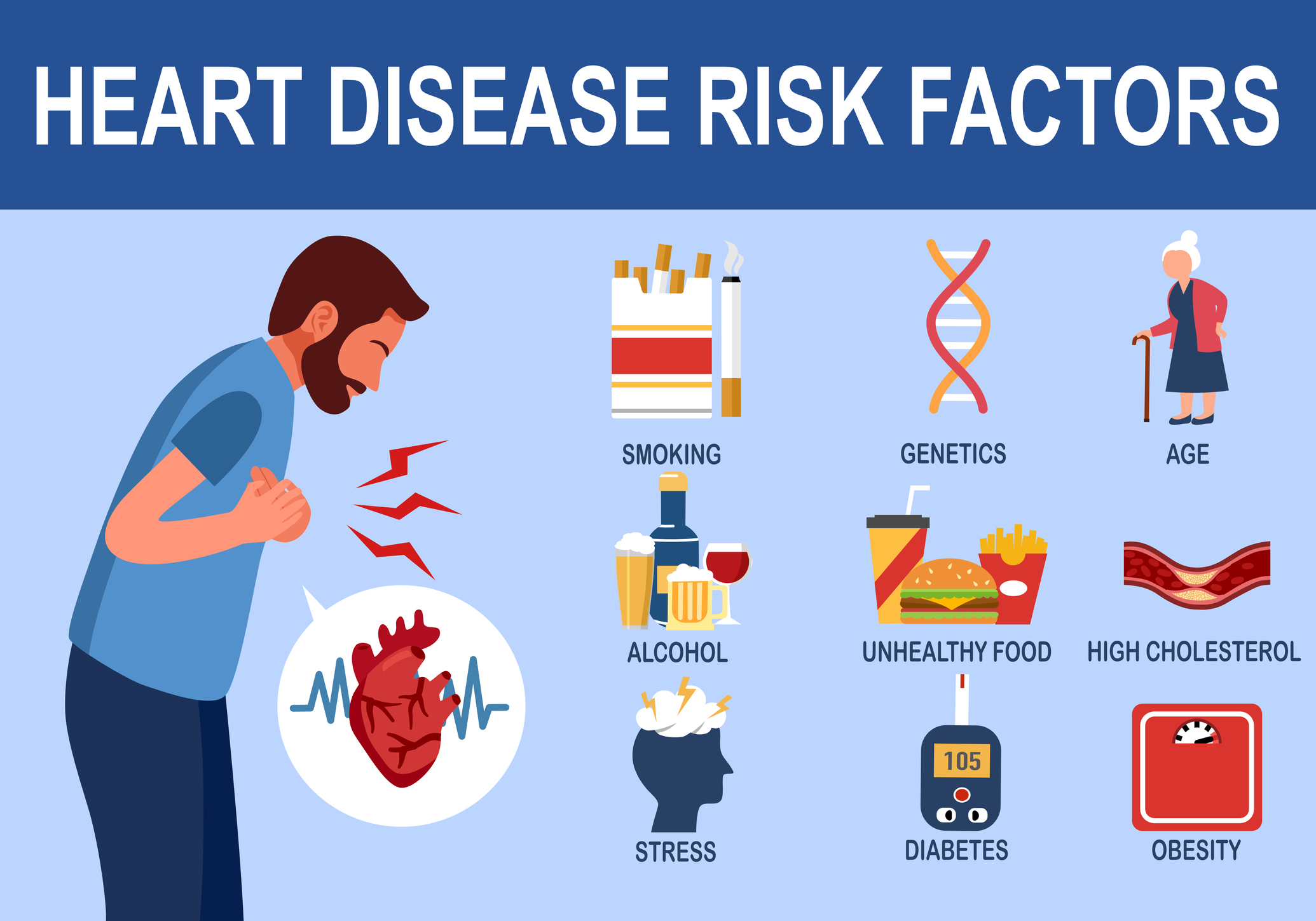
Medical Indicators and Their Impact
1. Chest Pain (CP - Chest Pain Type)
Chest pain, or angina, is a common symptom of a heart attack. The type and severity of chest pain can vary and may not always be present, especially in women and older adults.
2. Resting Blood Pressure (trestbps - Resting Blood Pressure)
High blood pressure, or hypertension, is a major risk factor for heart disease and heart attacks. Monitoring and managing blood pressure are essential for heart health.
3. Cholesterol Levels (chol - Serum Cholesterol)
High levels of cholesterol, especially LDL cholesterol (often referred to as “bad” cholesterol), can lead to the buildup of plaque in the arteries, increasing the risk of heart attacks.
4. Fasting Blood Sugar (fbs - Fasting Blood Sugar)
High blood sugar levels, often associated with diabetes, can damage blood vessels and increase the risk of heart disease and heart attacks.
5. Resting Electrocardiographic Results (restecg - Resting Electrocardiographic Results)
Abnormalities in the resting electrocardiogram (ECG) can indicate underlying heart conditions and increase the risk of heart attacks.
6.Maximum Heart Rate Achieved (thalach - Maximum Heart Rate Achieved)
The maximum heart rate achieved during exercise can provide insights into cardiovascular fitness and overall heart health.
7. Exercise-Induced Angina (exang - Exercise-Induced Angina)
Angina triggered by physical exertion can be a warning sign of underlying heart disease and an increased risk of heart attacks.
8. ST Depression Induced by Exercise Relative to Rest (oldpeak - ST Depression Induced by Exercise Relative to Rest)
ST depression on an ECG during exercise can indicate reduced blood flow to the heart and an increased risk of heart attacks.
9. Slope of the Peak Exercise ST Segment (slope - Slope of the Peak Exercise ST Segment)
The slope of the ST segment on an ECG during exercise can provide additional information about the severity of coronary artery disease and the risk of heart attacks.
10. Number of Major Vessels Colored by Flouroscopy (ca - Number of Major Vessels Colored by Flouroscopy) and Thalassemia (thal - Thalassemia)
These indicators can provide further insights into the extent and severity of coronary artery disease and the risk of heart attacks.
In conclusion, heart attacks are complex events influenced by a variety of factors, including age, sex, and various medical indicators. Understanding these factors and their relationships can help healthcare professionals identify individuals at higher risk and implement strategies for prevention and treatment. Regular monitoring of key indicators, lifestyle modifications, and appropriate medical interventions are essential for reducing the risk of heart attacks and promoting heart health.